
Waking up to yet another stubborn breakout can feel defeating—especially after trying every cleanser, serum, and spot treatment on the shelf. Acne is a condition that affects millions of Americans each year, and its impact often stretches far beyond the skin, shaping confidence, comfort, and daily routines well into adulthood.
At Tennessee Vein Center in Alcoa, TN, Dr. Keith E. Campbell and our skilled team bring years of trusted dermatologic and aesthetic expertise to every patient we serve. Recognized across East Tennessee for advanced, evidence-based care, our practice pairs proven medical-grade treatments with personalized plans designed to help you achieve the clear, healthy skin you deserve.

How Is Acne Treated?
What Causes Acne?
Acne tends to be multifactorial, meaning a combination of different factors contributes to its development.
Four components are believed to encourage acne development.
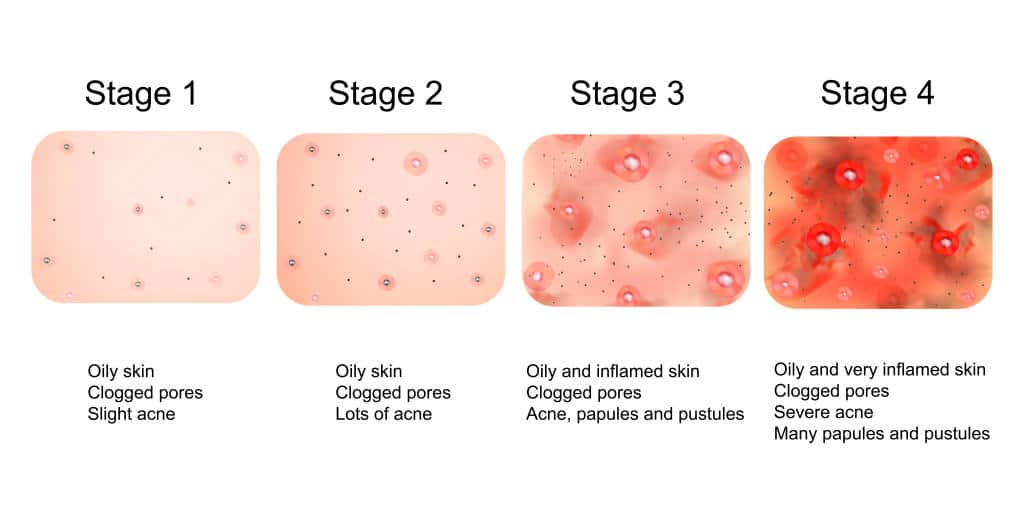
One of the most common skin conditions seen by nearly all medical professionals is acne. While it is typically regarded as a disease that lingers only during adolescence, those who suffer from it know that the effects can last a lifetime. Not only are the papules and cysts that develop challenging to treat, but they can also cause severe scarring, impacting your overall aesthetic condition.
Acne most commonly occurs on the face but can also appear on the neck, chest, back, and arms. Typically, there is an increase in acne occurrence and severity during the teenage years, and it is estimated that this can last for 5-10 years. Teenagers aren’t the only ones affected, though! Acne can occur anywhere in life and affects both men and women.
Acne tends to be multifactorial, meaning a combination of different factors contributes to its development. Four components are believed to encourage acne development:
-
Plugged follicles
-
Increased sebum production
-
Presence of Propionibacterium acne
-
Inflammation
Plugged Follicles: have you ever noticed all those tiny white hairs on your face? Sometimes, people refer to it as “peach fuzz.” More technically, they are called vellus hairs. Each of those hairs is attached to your skin through a hair follicle.
Now, let’s complicate things a little more. Your skin surface comprises layers and layers of cells, all stacked on top of each other. You can compare it to a wall of bricks. Now, your skin is constantly creating more cells (on the bottom layer) and shedding the old cells (on the top layer). But, sometimes, things get sluggish. And those cells don’t shed like they are supposed to. This is where you get those plugged follicles or keratinization within the follicle. Once the hair follicles have become plugged, this sets the stage for sebum production and bacteria creep inside the skin and contribute to inflammation.
Increased Sebum Production: This increased sebum production further complicates matters. The sebaceous (oil) glands are overzealous, producing more oil than your body needs. Some people may have overactive sebaceous glands. But sometimes it is due to harsh soaps and hot water. Many over-the-counter acne washes are designed to strip all the oil off your skin. Unfortunately, when we do that, our sebaceous glands compensate by producing even more oil. This increase in oil plugs the hair follicle, setting up an excellent medium for bacteria growth.
Propionibacterium acnes: This little organism is typically present on many people’s skins. However, when given the right circumstances (plugged follicles and increased sebum production), it likes to proliferate, leading to an immune response. This is why antibiotics are often used in moderate to severe acne cases.
Inflammation: All the factors above contribute to inflammation. Inflammation is simply your body’s response to things it doesn’t like. Your body fights off the bacteria by attracting white blood cells to the plugged hair follicle. This produces those classic signs of inflammation: redness, swelling, pain, and heat.
Many other factors can contribute to acne. These include certain medications, hormones, stress, cosmetics, and genetics. Taking a multi-faceted approach when combating acne is essential because there are so many contributing factors! It is also important to remember that treating acne takes time and patience. There are no “miracle” creams or “quick fixes.” Diligent daily care, in addition to professional aesthetic treatments, is often used together to control acne.
Our professional staff will work with you to develop a comprehensive treatment plan to address your needs, whether you suffer from current acne or the resultant scarring.
Why Choose Tennessee Vein Center for Acne and Breakout-Prone Skin Treatment in Alcoa, TN?
Choosing Tennessee Vein Center for acne and breakout-prone skin treatment in Alcoa, TN, means partnering with a trusted team led by Dr. Keith E. Campbell, who brings years of dermatologic and aesthetic expertise to every patient we serve. Our practice combines advanced, proven treatments—including chemical peels, Cutera® Excel V™, Laser Genesis, and Fractora™—with personalized care plans tailored to your unique skin concerns. We take a multifaceted approach to address acne’s root causes, from inflammation to scarring, helping you achieve clearer, healthier skin. With a welcoming environment, knowledgeable staff, and a commitment to lasting results, we make confident skin attainable for patients across East Tennessee.
Professional and Personalized Skincare for Acne-Prone Skin in Tennessee
At Tennessee Vein Center, we firmly believe that Active acne and acne scars do not have to be a lifetime struggle.
If you or a loved one is living with acne or scarring from this common skin condition, we can help.
Contact us today at (865) 233-5858 to schedule an appointment with our experienced skin care specialists to get the treatment you need to look and feel your best sooner.