Waking up to yet another stubborn breakout can feel defeating—especially after trying every cleanser, serum, and spot treatment on the shelf. Acne is a condition that affects millions of Americans each year, and its impact often stretches far beyond the skin, shaping confidence, comfort, and daily routines well into adulthood.
At Tennessee Vein Center in Alcoa, TN, Dr. Keith E. Campbell and our skilled team bring years of trusted dermatologic and aesthetic expertise to every patient we serve. Recognized across East Tennessee for advanced, evidence-based care, our practice pairs proven medical-grade treatments with personalized plans designed to help you achieve the clear, healthy skin you deserve.

How Is Acne Treated?
Acne treatment depends on several factors, including the type and severity of breakouts, your skin type, and whether you’re experiencing active acne or lingering marks and scars. At Tennessee Vein Center, several professional aesthetic treatments are available to address different aspects of acne-prone skin.
Chemical Peels
Corrective chemical peels use carefully selected exfoliating solutions to remove accumulated surface skin cells and encourage skin renewal. Certain peels can help reduce clogged pores, improve mild acne, and minimize discoloration left behind by previous breakouts.
Cutera® Excel V™
Cutera Excel V is an advanced laser treatment that targets unwanted redness and visible blood vessels. It can be particularly beneficial for patients experiencing persistent red marks after acne has healed, helping create a more even-looking complexion.
Cutera® Laser Genesis™
Laser Genesis uses gentle laser energy to stimulate collagen remodeling and improve overall skin texture. This treatment can soften the appearance of mild acne scarring, reduce diffuse redness, and improve uneven skin tone with minimal downtime.
Fractora™
Fractora combines microneedling with radiofrequency energy to stimulate collagen production and remodel damaged skin. It is particularly useful for improving acne scars, uneven texture, and other lingering skin irregularities.
Because these procedures address different concerns, not every treatment is appropriate for active breakouts. The team at Tennessee Vein Center evaluates your skin and treatment goals to recommend an approach suited to your individual needs.
What Causes Acne?
Acne is one of the most common skin conditions and can affect people well beyond their teenage years. Although it frequently begins during adolescence, breakouts can continue into adulthood or develop later in life, affecting both men and women.
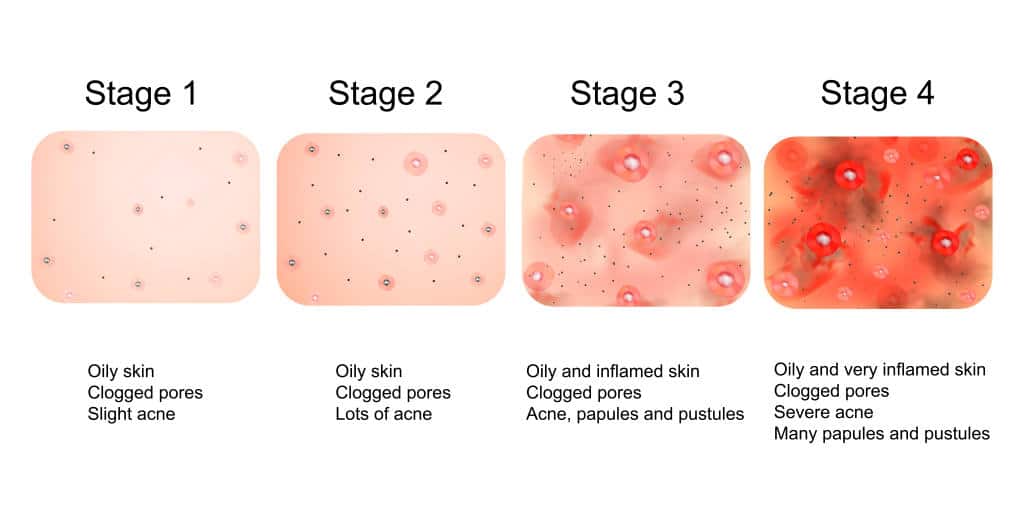
Acne most commonly appears on the face but can also develop on the neck, chest, back, and arms. Depending on its severity, it may cause blackheads, whiteheads, inflamed bumps, pustules, or deeper cysts and nodules. More severe acne can also leave lasting scars that affect the skin’s texture and appearance.
Acne tends to be multifactorial, meaning a combination of different processes contributes to its development. Four main factors are involved:
- Plugged hair follicles
- Increased sebum, or oil, production
- Growth of acne-associated bacteria
- Inflammation within the skin
These factors often work together, which is why managing acne may require more than one type of treatment.
How Clogged Pores, Oil, and Bacteria Contribute to Acne
Several processes take place beneath the skin’s surface before a breakout becomes visible. These changes affect hair follicles, oil production, bacteria, and the body’s inflammatory response.
Plugged Hair Follicles
The fine, barely visible hairs on your face are called vellus hairs, sometimes called “peach fuzz.” Each hair grows from a follicle beneath the skin’s surface.
Your skin constantly produces new cells while shedding older ones. Think of these cells as layers of bricks that are continually being replaced. When dead skin cells do not shed normally, they can accumulate inside hair follicles and contribute to clogged pores. This process, called abnormal follicular keratinization, creates an environment where oil and bacteria can become trapped.
Increased Sebum Production
Sebaceous glands naturally produce sebum, an oil that helps protect and moisturize the skin. However, some individuals have overactive oil glands that produce more sebum than necessary.
When excess oil combines with accumulated skin cells, it can contribute to clogged follicles and acne development. Harsh cleansers and excessive washing can also irritate the skin and damage its protective barrier, potentially making acne harder to manage.
Acne-Associated Bacteria
Cutibacterium acnes, formerly known as Propionibacterium acnes, is a bacterium naturally found on human skin. Under certain conditions, particularly when follicles become clogged with oil and dead skin cells, it can contribute to the inflammatory processes associated with acne.
Because bacteria play a role in certain types of acne, medical treatment plans may include topical or oral medications that target bacterial activity when appropriate.
Inflammation
Inflammation is the body’s natural response to irritation and other triggering factors. When clogged follicles and acne-associated bacteria activate an immune response, inflammatory cells accumulate in the affected area.
As inflammation develops, the skin may become red, swollen, and tender, with breakouts ranging from small pimples to deeper, more painful blemishes. More severe cases can sometimes leave behind noticeable skin changes or scars.
Other Factors That Can Trigger or Worsen Acne
Beyond clogged follicles, excess oil, bacteria, and inflammation, several additional factors can influence acne development and severity.
These include:
- Hormonal Changes: Fluctuations during puberty, menstruation, pregnancy, and other life stages can increase oil production and contribute to breakouts.
- Genetics: A family history of acne may increase your likelihood of developing persistent or severe breakouts.
- Stress: Although stress does not directly cause every case of acne, it can worsen existing breakouts by changing hormonal and inflammatory activity.
- Medications: Certain medications, including corticosteroids and some hormone-related treatments, may contribute to acne-like eruptions.
- Cosmetics and Skincare Products: Heavy or pore-clogging products can contribute to breakouts, particularly in individuals already prone to acne.
Because multiple factors can affect your skin at once, a comprehensive approach is often beneficial. Consistent daily skincare, appropriate professional treatments, and medical acne management when needed can work together to address different aspects of the condition.
Remember that treating acne takes time and patience. There are no instant solutions for every type of breakout, but a carefully selected treatment plan can help improve skin clarity and manage ongoing concerns.
How to Care for Acne-Prone Skin Between Treatments
A consistent home skincare routine can help support professional acne treatments and reduce unnecessary irritation. Small adjustments to daily habits may also improve the appearance and comfort of acne-prone skin.
Helpful practices include:
- Washing your face with a gentle cleanser twice daily and after heavy sweating
- Choosing noncomedogenic moisturizers and skincare products that are less likely to clog pores
- Applying broad-spectrum sunscreen with SPF 30 or higher to protect your skin and help prevent lingering acne marks from darkening
- Avoiding picking or squeezing pimples, which can increase inflammation and the risk of scarring
- Following your provider’s instructions about exfoliating products and active skincare ingredients before and after treatments
Using too many acne products at once can cause irritation, dryness, and discomfort. Your provider can help create a manageable routine that complements your treatments and supports healthier-looking skin over time.
Why Choose Tennessee Vein Center for Acne and Breakout-Prone Skin Treatment in Alcoa, TN?
Choosing Tennessee Vein Center for acne and breakout-prone skin treatment in Alcoa, TN, means partnering with a trusted team led by Dr. Keith E. Campbell, who brings years of dermatologic and aesthetic expertise to every patient we serve. Our practice combines advanced, proven treatments—including chemical peels, Cutera® Excel V™, Laser Genesis, and Fractora™—with personalized care plans tailored to your unique skin concerns.
We take a multifaceted approach to address acne’s root causes, from inflammation to scarring, helping you achieve clearer, healthier skin. With a welcoming environment, knowledgeable staff, and a commitment to lasting results, we make confident skin attainable for patients across East Tennessee.
Professional and Personalized Skincare for Acne-Prone Skin in Tennessee
At Tennessee Vein Center, we firmly believe that Active acne and acne scars do not have to be a lifetime struggle.
If you or a loved one is living with acne or scarring from this common skin condition, we can help. Contact us today at (865) 233-5858 to schedule an appointment with our experienced skin care specialists to get the treatment you need to look and feel your best sooner.