Vein health plays an important role in overall vascular function and circulation. At Tennessee Vein Center, our specialists evaluate conditions like venous insufficiency using advanced diagnostic tools such as vein mapping ultrasound.
At our practice, care is led by Dr. Keith E. Campbell, a Knoxville native who has exclusively practiced vein care since 2003 and is dual certified by the American Board of Family Medicine and the American Board of Venous & Lymphatic Medicine. His experience ensures accurate diagnosis and treatment planning based on proven standards.
As an IAC-accredited vascular lab, we follow nationally established protocols—including performing vein mapping while standing to avoid inaccurate results. This non-invasive test provides detailed imaging to detect issues early and guide effective treatment.

What is Vein Mapping?
Vein mapping is a diagnostic exam that uses ultrasound to create detailed images and a map of the veins throughout the body.
It is often used on the legs and assesses the health, structure, and function of the veins. By generating real-time images, vein mapping provides valuable information about vein condition, blood flow patterns, and potential abnormalities.
Vein mapping is valuable for planning appropriate treatment based on your diagnosis. The images obtained help determine the most suitable course of action, ranging from lifestyle modifications and compression therapy to more advanced medical procedures, depending on the severity of the vascular condition.
What Does a Vein Mapping Test Show?
A vein mapping test provides valuable insights into your veins’ health, structure, and functionality. Some of the most common insights include:
-
Blood Flow Dynamics: Observing blood flow in veins allows assessment of circulatory efficiency. Abnormal blood flow patterns, such as a sluggish or turbulent flow, might indicate underlying issues such as damaged valves.
-
Blood Clots: Vein mapping can help identify blood clots (deep vein thrombosis). Blood clots are a serious concern as they can obstruct blood flow and pose a risk of complications, such as pulmonary embolism, if left untreated.
-
Varicose Veins: The leg vein map images can detect varicose veins, which are enlarged, twisted veins that can cause discomfort and aesthetic concerns.
-
Anomalies and Abnormalities: Leg vein mapping can detect vascular irregularities, including structural abnormalities, vein wall damage, or valve dysfunction.
The information obtained guides us in developing personalized vein treatments for patients with vein issues.
It’s also important to know that this vascular exam can be used to monitor treatment progress over time for patients undergoing treatment for vein conditions. Comparing follow-up vein mapping images with initial images helps determine the effectiveness of the chosen interventions.
The information obtained guides us in developing personalized vein treatments for patients with vein issues.
It’s also important to know that this vascular exam can be used to monitor treatment progress over time for patients undergoing treatment for vein conditions. Comparing follow-up vein mapping images with initial images helps determine the effectiveness of the chosen interventions.
The Benefits of Vein Mapping
One of the main advantages of vein mapping is clarity.
Instead of relying on symptoms alone, this test shows exactly how your veins are functioning in real time. It can identify issues such as valve failure or abnormal blood flow patterns—details essential for accurate diagnosis.
There are also practical benefits patients appreciate:
-
No needles, incisions, or recovery time
-
Completed in under an hour
-
Immediate insight into vein function
-
Helps avoid unnecessary or ineffective treatments
For many patients, it’s the most efficient way to move from uncertainty to a clear plan.
Symptoms That May Indicate You Need Vein Mapping
Vein problems don’t always start with visible veins. In many cases, the earliest signs are subtle and easy to dismiss.
You might notice your legs feeling unusually heavy at the end of the day, or mild swelling that comes and goes. For others, symptoms become more apparent—such as bulging varicose veins or changes in the skin near the ankles.
Common symptoms include:
-
Aching or heaviness in the legs
-
Swelling in the lower legs or ankles
-
Visible varicose or spider veins
-
Nighttime cramping or restlessness
-
Skin discoloration or irritation
If these symptoms persist, vein mapping can help determine whether an underlying vein condition is contributing to your symptoms.
Vein Mapping for Venous Insufficiency
In addition to evaluating and diagnosing anomalies, abnormalities, and various vein-related conditions, vein mapping is valuable for diagnosing venous insufficiency. In this condition, the veins struggle to return blood to the heart effectively.
Images obtained from a vein map can reveal areas of backward blood flow (reflux) and irregularities in vein structure caused by malfunctioning valves.
How Long Does Vein Mapping Take?
A leg vein map ultrasound typically takes between 30 and 60 minutes. This timeframe accounts for the entire process, from preparation to the completion of the ultrasound imaging.
A follow-up visit may be scheduled to review the results of your vein map in further detail.
Understanding the Vein Mapping Procedure
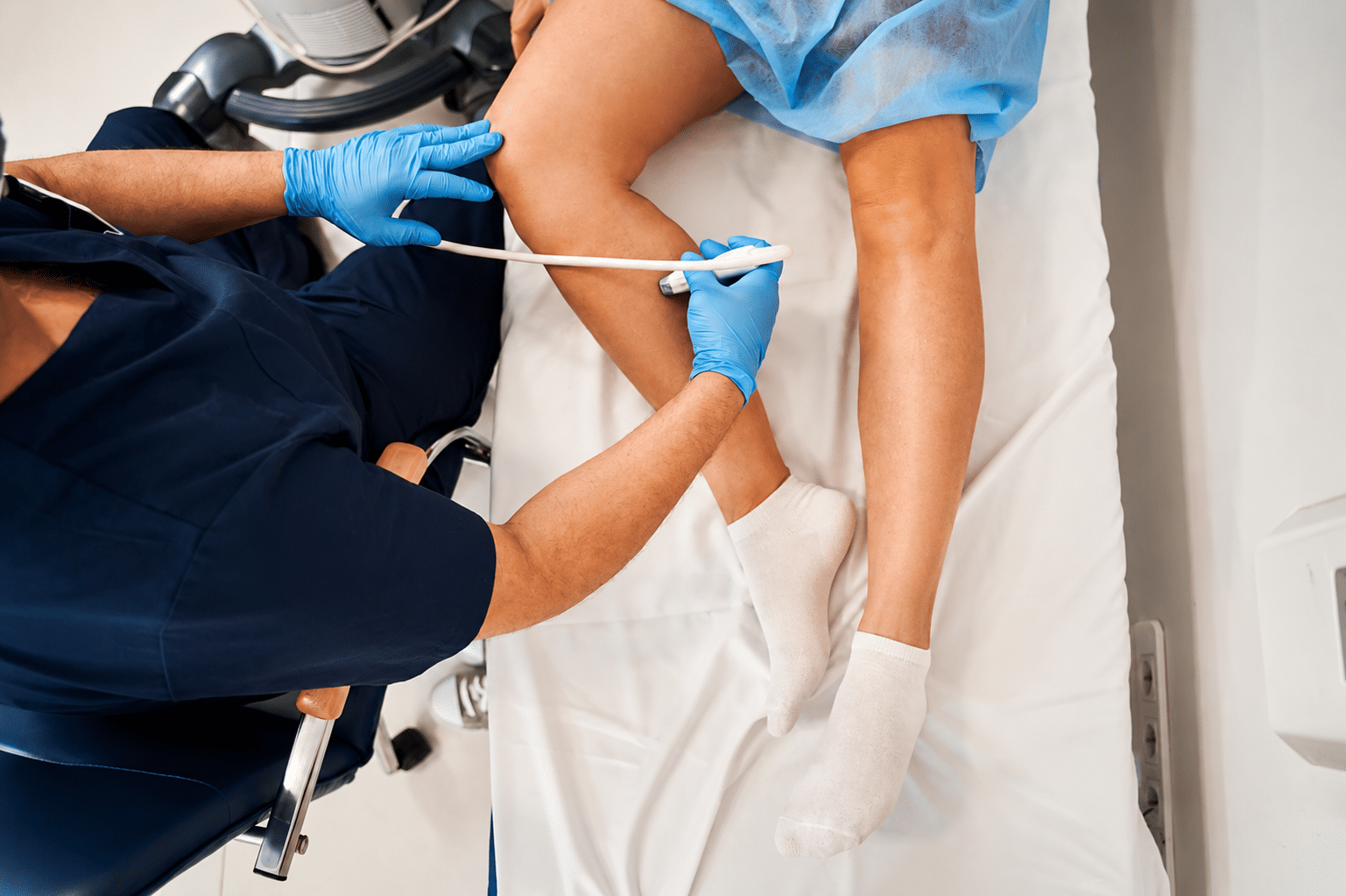
A trained ultrasound technician applies gel to the skin over the affected area during a vein mapping procedure.
This facilitates the transmission of sound waves from an ultrasound device. This device emits high-frequency sound waves that penetrate the skin and reflect off the veins beneath it. The echoes produced by these sound waves are then converted into images by the ultrasound machine, which visually represent the veins’ internal structures and blood flow dynamics.
At the Tennessee Vein Center, this procedure is performed with precision to ensure accurate, comprehensive results. The resulting images can reveal important information, including the size, shape, and arrangement of veins, as well as the presence of blood clots, damaged valves, or varicose veins.
This information is particularly relevant for diagnosing conditions such as venous insufficiency, in which the veins struggle to return blood to the heart efficiently, leading to symptoms including leg pain, swelling, and discomfort.
It is crucial to understand that vein mapping should be done with the patient standing to get the most accurate readings.
Who Is a Good Candidate for Vein Mapping?
Vein mapping is used in more situations than most patients expect.
While it’s often recommended for people with noticeable vein symptoms, it’s just as important for those planning treatment or trying to understand unexplained leg discomfort. It can also be helpful for patients with a history of vein issues—even if symptoms have changed or returned over time.
You may be a candidate if you have ongoing symptoms, a prior diagnosis like DVT, or simply want a clearer picture of your vein health before moving forward with treatment.
Why Choose Tennessee Vein Center for Vein Mapping in Alcoa, TN?
At Tennessee Vein Center, vein mapping is performed with a strong emphasis on accuracy, experience, and specialized care. The practice is led by Dr. Keith E. Campbell, a Knoxville native who has exclusively focused on the diagnosis and treatment of vein disease since 2003. He is dual certified by the American Board of Family Medicine and the American Board of Venous & Lymphatic Medicine, reflecting advanced training and expertise in vascular health.
Dr. Campbell is also a diplomate of the American Vein and Lymphatic Society and has contributed to physician education by developing and directing a regional venous disease symposium. Our lab is accredited by the Intersocietal Accreditation Commission (IAC), ensuring adherence to nationally recognized standards. We follow best practices, including performing vein mapping in a standing position, which is essential for obtaining accurate and reliable diagnostic results.
Expert Vein Mapping Services in Knoxville, TN
If you’re experiencing symptoms of a vein condition, getting answers early can make a meaningful difference in your long-term health. Vein mapping provides a clear, non-invasive way to understand what’s happening beneath the surface and take the next step with confidence.
Our team is here to guide you with accurate diagnostics and personalized care every step of the way. Call (865) 233-5858 today to schedule a consultation and take control of your vein health.